
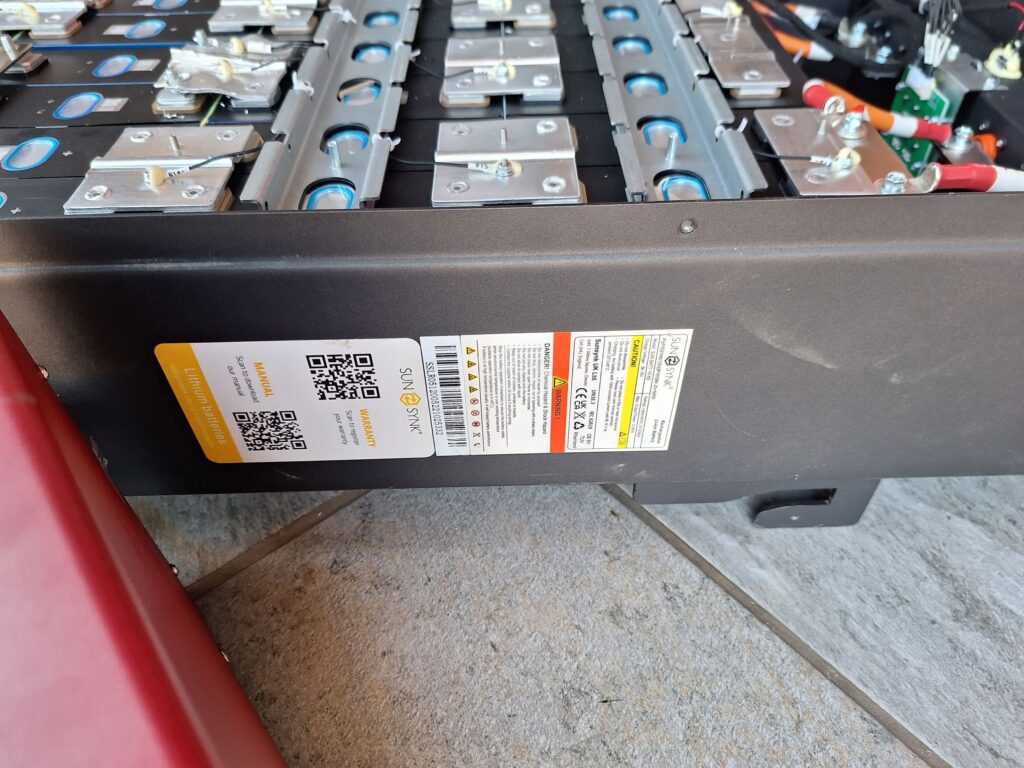
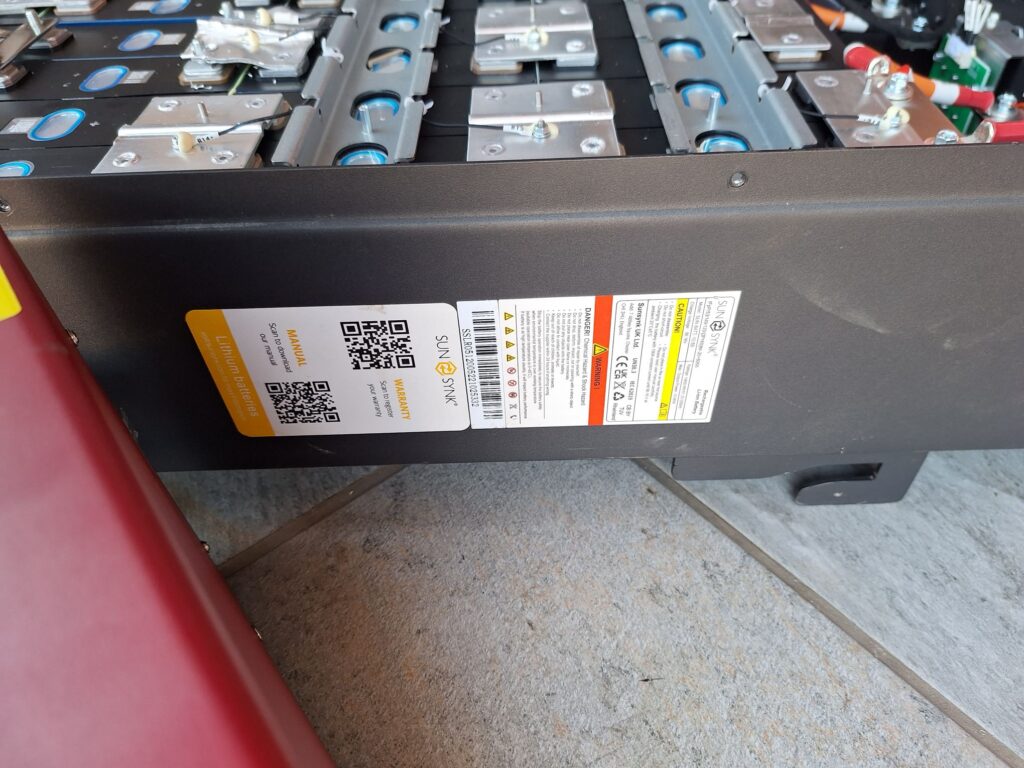
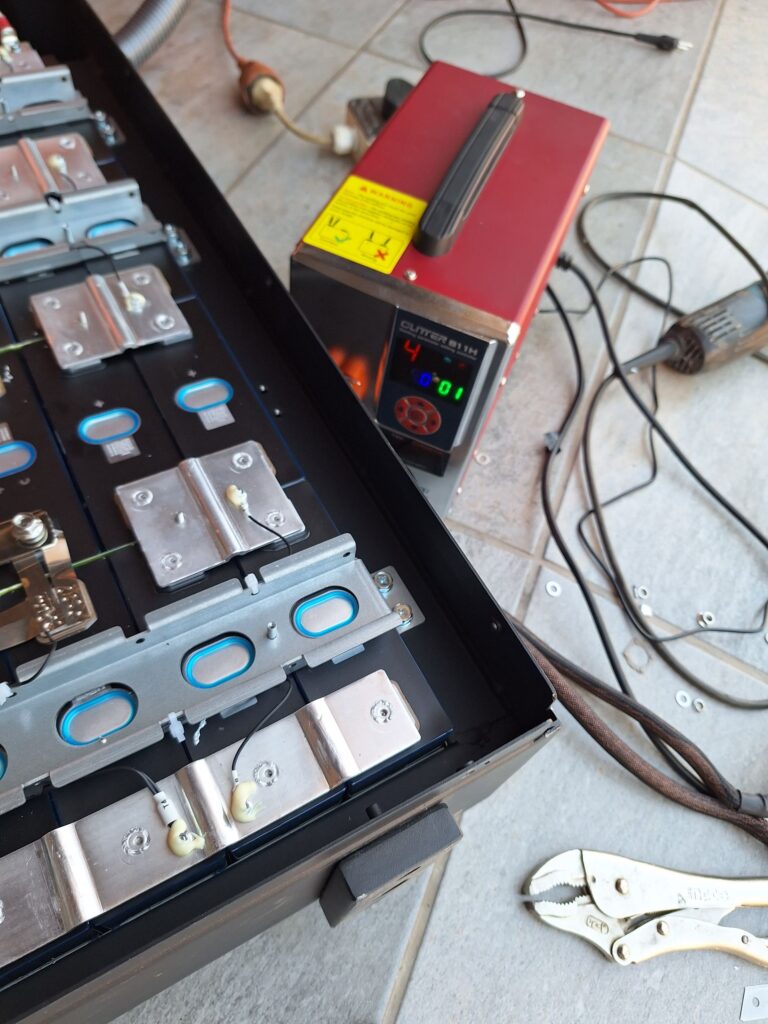

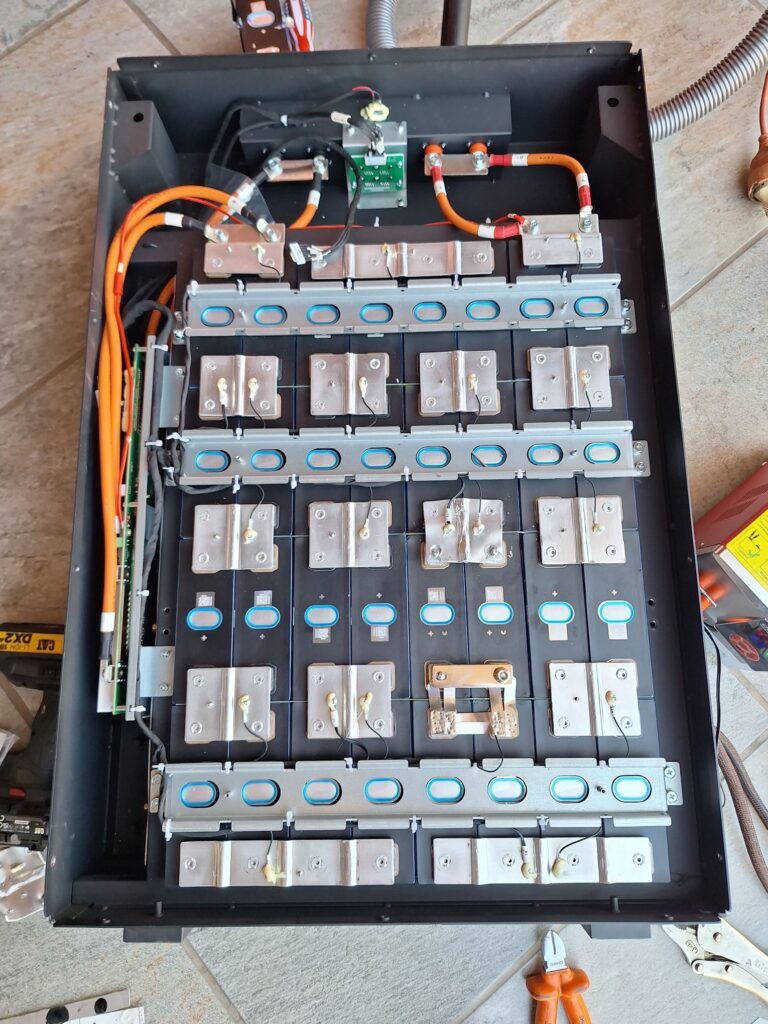
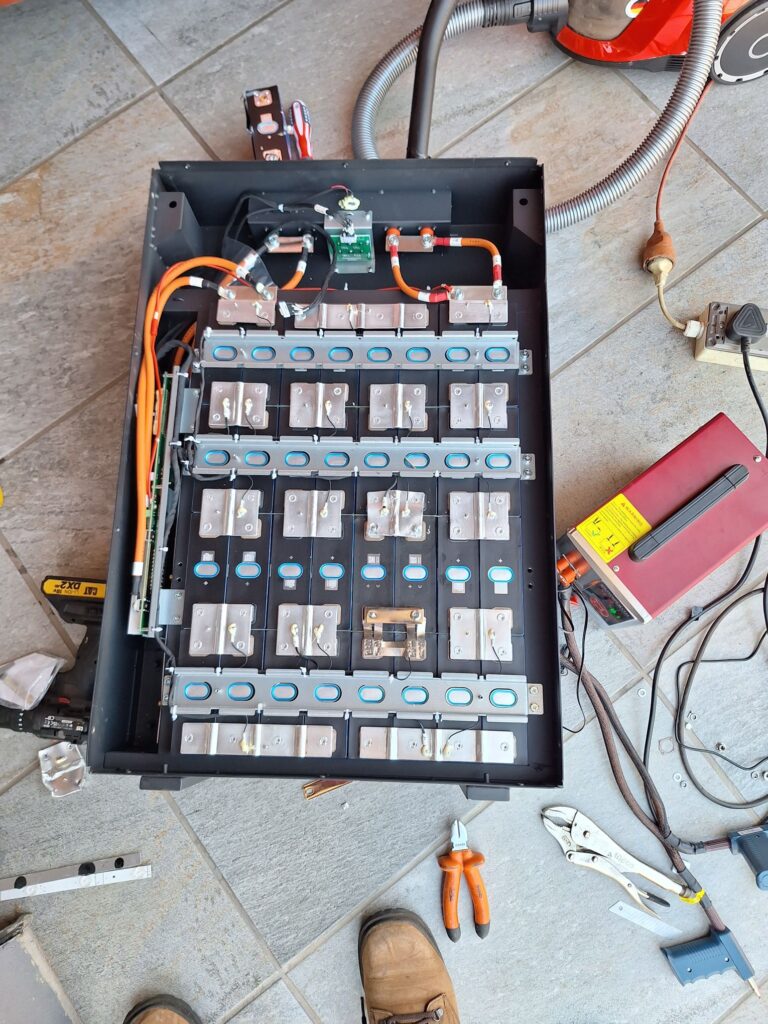
When your high-end energy storage system begins to falter, the culprit is often a single degraded cell or a loose connection within the battery pack. Technodrive Electronics Repairs, a prominent specialist in South Africa, has become a go-to service for reviving Sunsynk lithium-ion batteries that most would consider “end-of-life.”
The secret to a professional-grade repair lies in precision spot welding—a technique that preserves the integrity of the cells while ensuring a high-current connection. Here is an overview of how these sophisticated units are brought back to life.
️ The Challenge of Sunsynk Battery Repair
Sunsynk batteries (often LiFePO4 chemistry) are built for longevity, but they are not invincible. Common issues include:
- BMS Failure: The Battery Management System shuts down to protect the pack.
- Cell Imbalance: Individual cells drift in voltage, reducing total capacity.
- Failed Spot Welds: Over time, vibrations or thermal expansion can crack the original nickel strip welds, leading to high resistance and heat.
Repairing these is significantly more complex than standard electronics because the energy density makes them a fire risk if handled incorrectly.
⚡ The Techno Drive Approach: Precision Spot Welding
Unlike “DIY” repairs that might use a soldering iron (which can damage cells via excessive heat), professionals like Technodrive use Resistance Spot Welding.
Why Spot Welding?
- Thermal Control: The weld happens in milliseconds (ms). This prevents the heat from penetrating the cell casing and damaging the internal electrolyte or separators.
- Mechanical Strength: It creates a molecular bond between the nickel strip and the battery terminal that can withstand the high vibrations and thermal cycling of a solar power system.
- Low Resistance: A clean spot weld ensures the lowest possible voltage drop across the pack.
The Repair Process
- Diagnostic & Teardown: Technicians use specialized software to talk to the Sunsynk BMS and identify the specific “weak” strings.
- Strip Removal: Using specialized pliers and a rolling motion, the old, damaged nickel strips are carefully removed.
- Surface Preparation: A Dremel or grinding tool is used to remove “weld pits” from the cell terminals, ensuring a flat, clean surface for the new connection.
- The Re-Weld: Using a high-output spot welder (often using 0.12mm to 0.2mm pure nickel strips), the technician applies consistent pressure (35–95 PSI) to fuse the new strips.
- BMS Recalibration: Once the hardware is sound, the BMS is reset or replaced to ensure it accurately tracks the “State of Charge” (SOC).
⚠️ Critical Safety Considerations
Lithium-ion repair is not a hobby for the untrained. Technodrive and similar experts operate under strict safety protocols:
- Insulation: Use of Kapton tape and fish-paper to prevent accidental shorts during the repair.
- Voltage Matching: New cells must be top-balanced to within millivolts of the existing pack before being welded.
- Fire Suppression: Lithium-specific extinguishers (Class D or specialized aqueous agents) are kept on standby.
Why Repair Instead of Replace?
A new Sunsynk battery can be a significant investment. Professional repair can often restore a unit to 95%+ of its original capacity at a fraction of the cost, keeping hazardous electronic waste out of landfills.
Note: Opening your battery will void the manufacturer’s warranty. Professional repair is typically sought for units that are already “out of warranty” or have suffered “non-warrantable” damage like power surges.
Would you like me to find the contact details or the specific Johannesburg location for Technodrive Electronics Repairs to help you get a quote?